

In a recent video from BigTime, the team aimed to resolve a long-standing dispute through an authentic Camaro shootout. Rather than relying on nostalgia, internet opinions, or spec-sheet bench racing, they lined up two very different Camaros and subjected them to real-world testing. The result was a surprisingly honest look at how classic muscle and modern performance stack up when the jokes stop and the driving begins.
The matchup featured a 2001 fourth-generation Camaro SS against a borrowed 1969 first-generation Camaro. On paper, the cars represent two entirely different eras of Chevrolet performance, and that contrast became the backbone of the entire Camaro shootout.
Old-School Icon Versus Modern Muscle
The first-generation Camaro needs little introduction. Introduced in the late 1960s, it defined the pony car formula with aggressive styling, simple mechanicals, and a wide range of engine options. The car featured in this Camaro shootout runs a carbureted small-block Chevy, a 350ci combination that would have produced roughly 250 horsepower when new. Its long hood, short deck, and unmistakable proportions remain one of the most celebrated designs in muscle car history.
Across the garage sat the fourth-generation Camaro SS, often nicknamed the “Catfish” due to its polarizing front-end styling. Under the hood is the LS1 V8, an engine that changed everything for GM performance. With 325 horsepower from the factory, fuel injection, and Corvette-based architecture, the LS1-powered Camaro delivered high speed at an affordable price. It was designed to be driven hard without constant attention, a philosophy that plays a major role in this Camaro shootout.
Daily Driving And Real-World Use
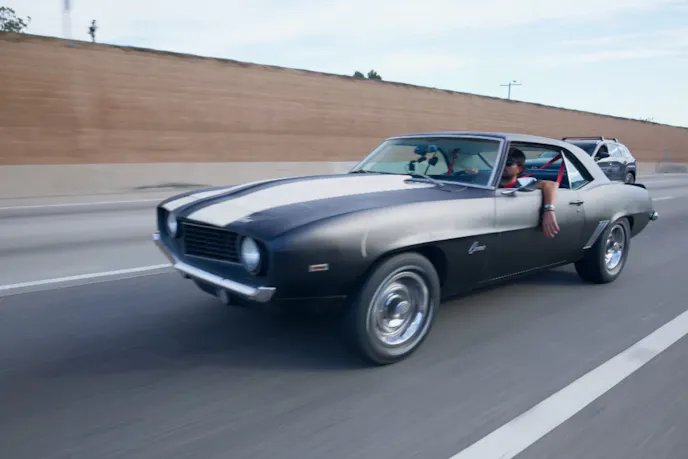
The first challenge focused on everyday practicality, and reality set in quickly. The 1969 Camaro struggled with overheating at idle due to a missing fan shroud and aging cooling components. Before errands could even begin, the crew found themselves replacing the radiator, installing electric fans, addressing worn steering parts, and mounting fresh tires. It was an unfiltered look at classic ownership, where driving often requires wrenching first.
By comparison, the fourth-gen Camaro SS required none of that. It handled traffic, heat, and stop-and-go driving without issue. That immediate reliability gave it a clear advantage in the Camaro shootout’s daily-driver category, even though interior packaging and cargo space proved less practical than expected during supply runs.
Comfort, Looks, And Canyon Roads
Comfort further separated the two cars. The first-gen Camaro’s seats showed their age, offering limited support and noticeable fatigue over time. Road noise, vague steering, and soft suspension reminded everyone that classic muscle cars were never intended to be refined daily commuters.
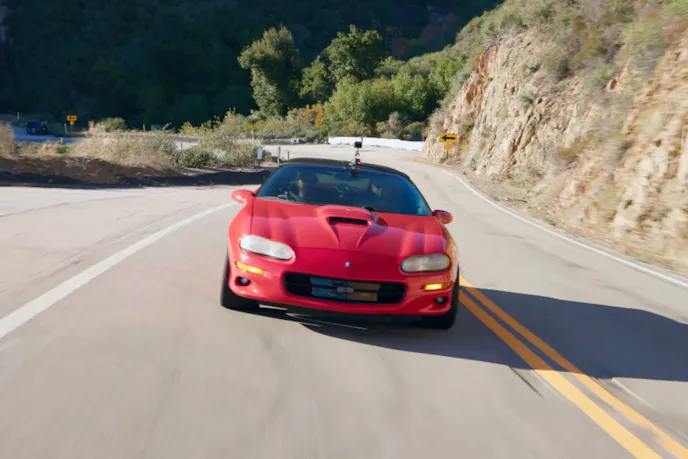
The fourth-gen benefited from decades of chassis development. Better seats, tighter handling, and predictable behavior made it easier to drive confidently. That advantage became even clearer during canyon driving, where the LS-powered Camaro delivered composed handling and usable performance. Once again, the first-gen overheated, restricting its maximum driving power.
However, the public’s perception was quite different. An online poll heavily favored the 1969 Camaro in the looks category, reinforcing the timeless appeal that keeps enthusiasts loyal to the original.
The Camaro Shootout Verdict
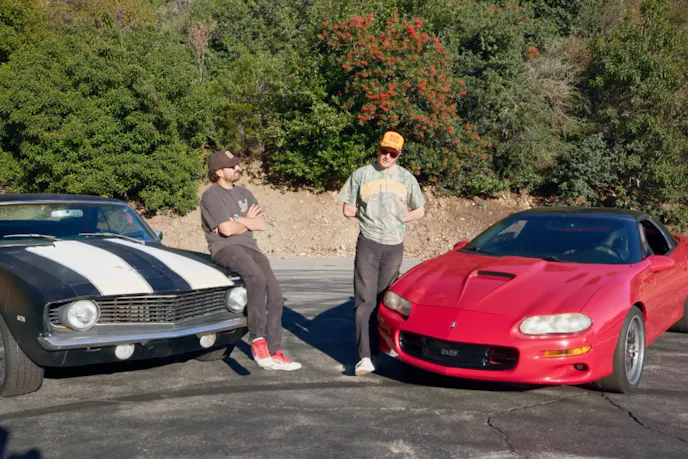
On paper, the fourth-generation Camaro SS won the Camaro shootout. It was faster, more reliable, more comfortable, and better suited for modern driving. Yet the final takeaway was more nuanced. The first-gen Camaro may have lost on points, but its character, presence, and emotional pull made it impossible to dismiss.
You might also like
Classic Style, Modern Control: Art Morrison’s GT Sport Chassis For Early Chevys
Art Morrison's GT Sport chassis transforms the timeless 1949-54 Chevrolet into a serious restomod performer.